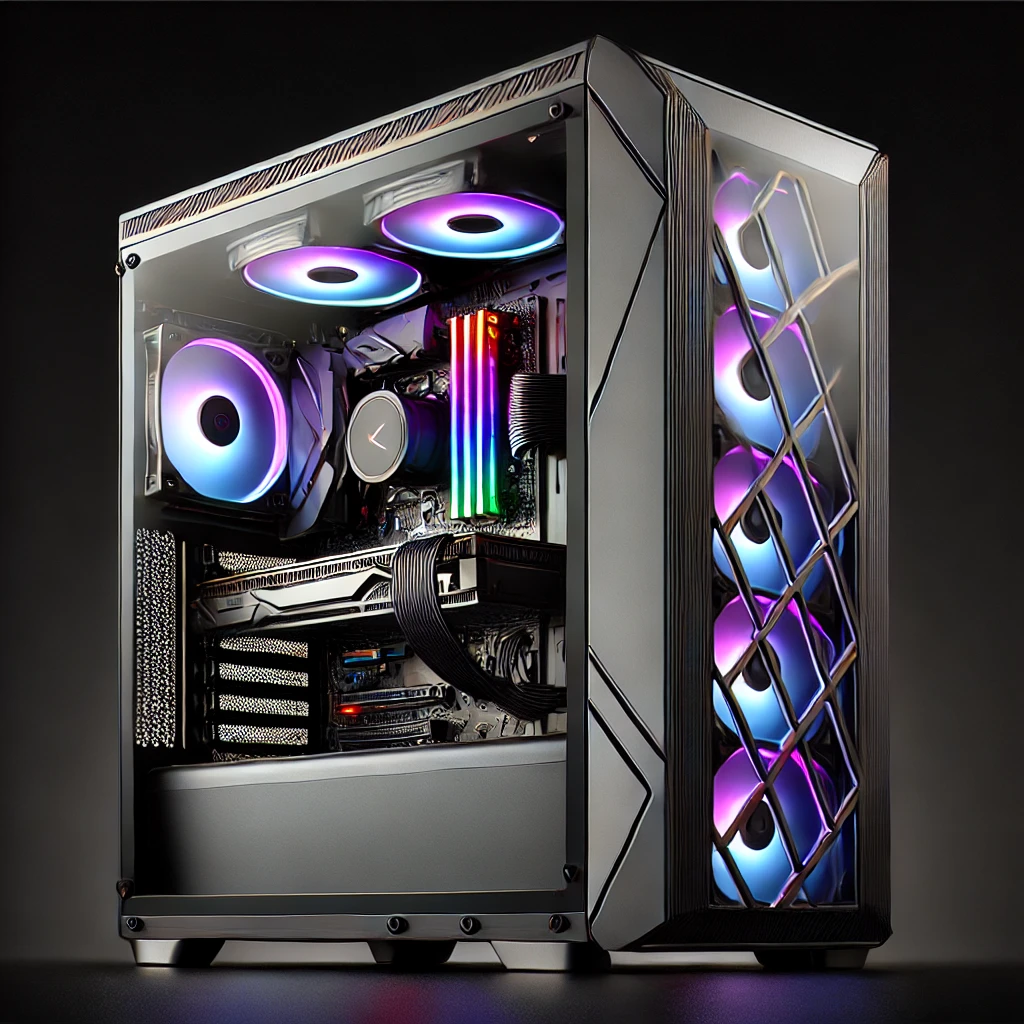

We’ve had it happen at the counter more than once: someone proudly unboxes a brand new graphics card, and it’s a good two inches too long for their case. Nobody’s fault, really — GPU boxes don’t exactly advertise “will not fit,” and most people don’t think to measure until it’s too late.
So here’s the straight version, no padding.
It’s About Three Numbers, Not One
A graphics card’s form factor comes down to length, height, and thickness (slot width). Manufacturers list all three on the spec sheet, usually in millimetres. Your case has a maximum clearance for each, usually listed in the case manual or on the manufacturer’s product page. If you don’t have either handy, a tape measure and five minutes will do it.

Length is the one that catches people out most. High-end cards regularly run 320–360mm. A lot of budget and mid-tower cases only clear 330–350mm before hitting the drive cage or front fans — so a genuinely top-tier card can be a tight squeeze even in a case that looks reasonably large.
Height matters if your case is a slim or low-profile build. Some cards won’t clear the side panel.
Thickness is the one people forget entirely. Modern high-end cards routinely take up 3, sometimes 3.5, expansion slots — not the 2 slots that used to be standard. If your motherboard’s second PCIe slot or your case’s rear layout doesn’t allow for that, the card will physically block other ports or fans.

Small Form Factor (SFF) Builds Need Extra Care
If you’re building (or already own) a compact PC, don’t assume “it fits” without checking cable clearance too. It’s not just the card — it’s the card plus your PSU cables and any front-panel connectors routed nearby. We see this trip up SFF and mini-ITX builds more than anything else.
Our Actual Recommendation
Before you buy: measure your case’s internal clearance (length, height, and slot width), check the card’s listed dimensions against it, and add a few extra millimetres of buffer for cables. If you’re not sure, bring your case in — we’ll check the fit before you spend a cent, and if you’re going custom, we build cases to fit the card, not the other way around.
Getting the form factor wrong is an easy, completely avoidable mistake. Getting it right the first time means you’re playing, not returning a box.